Closest published match · of 407 chewy recipes
The classic chewy crowd-pleaser
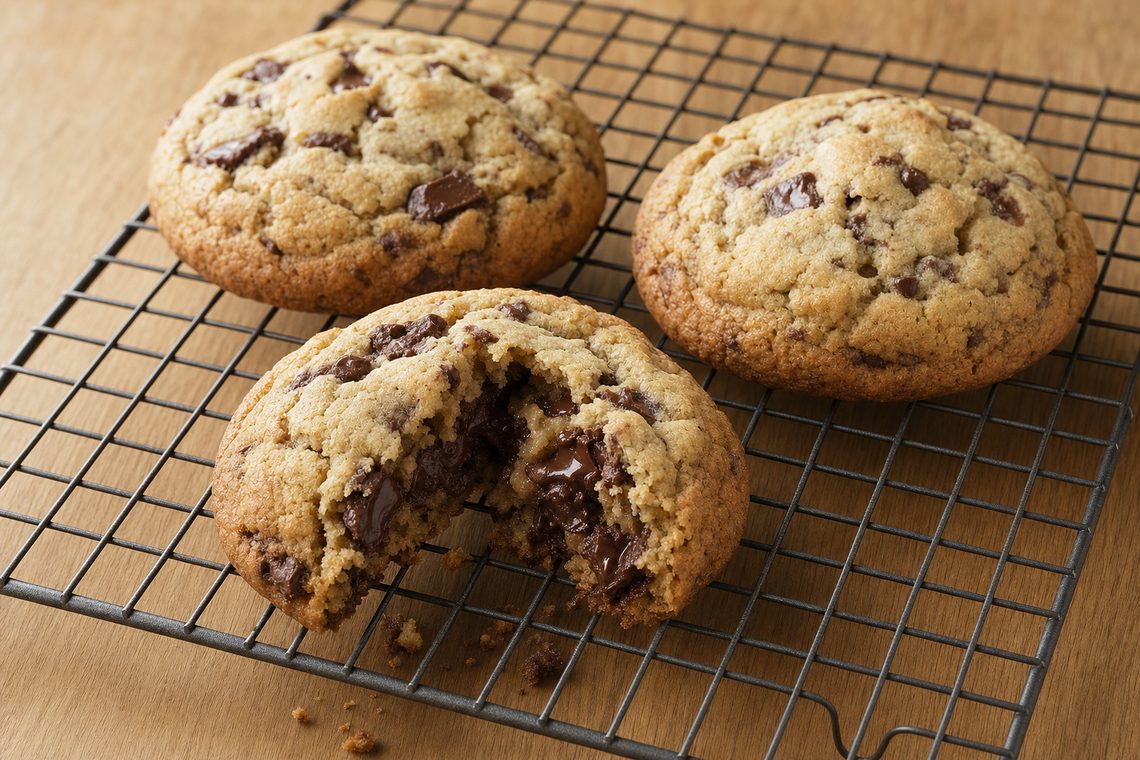
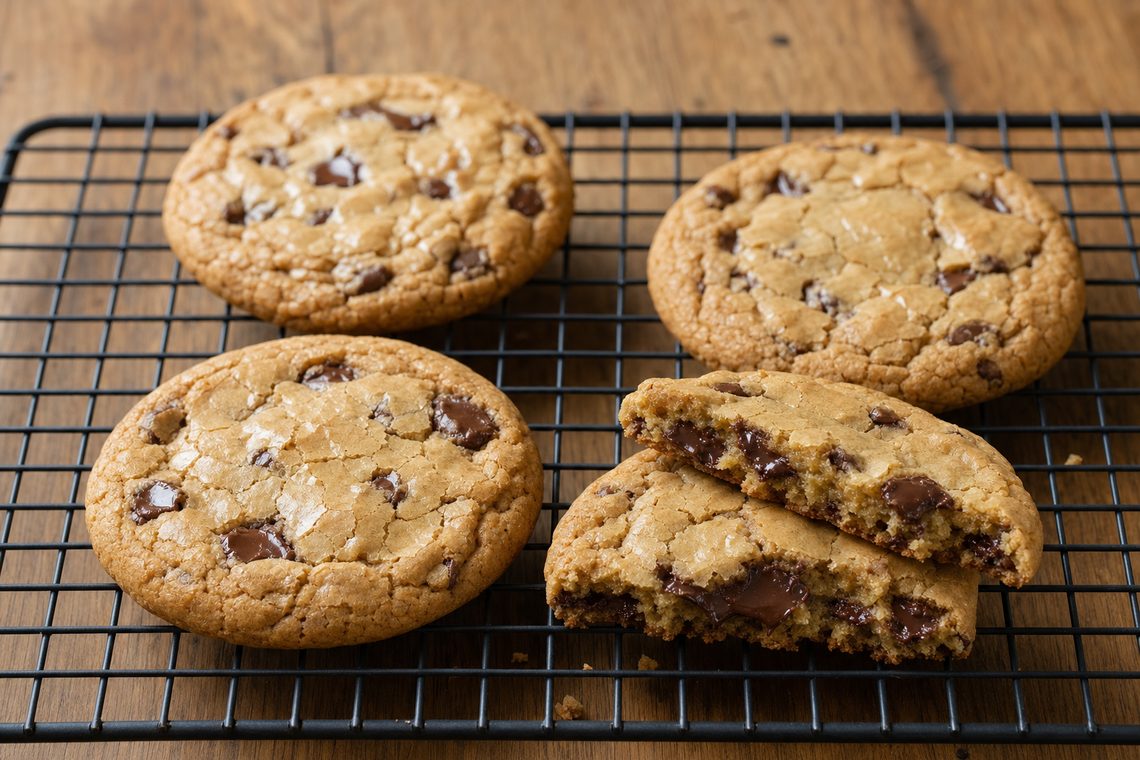
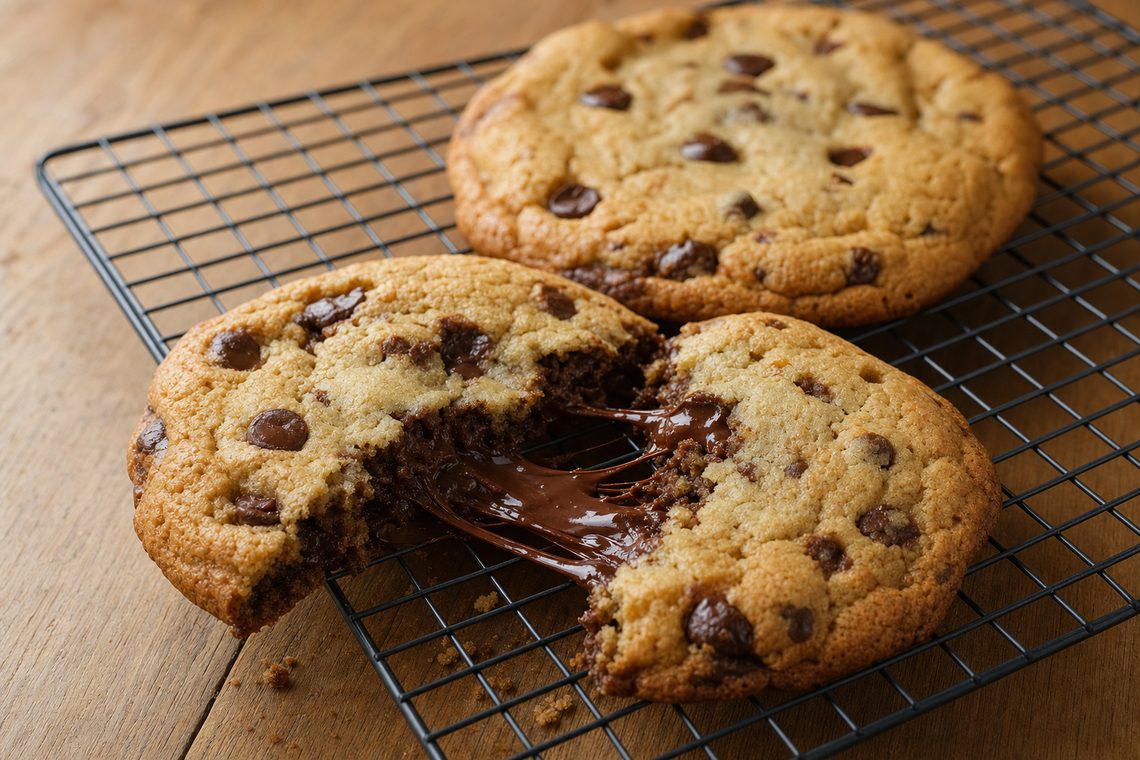
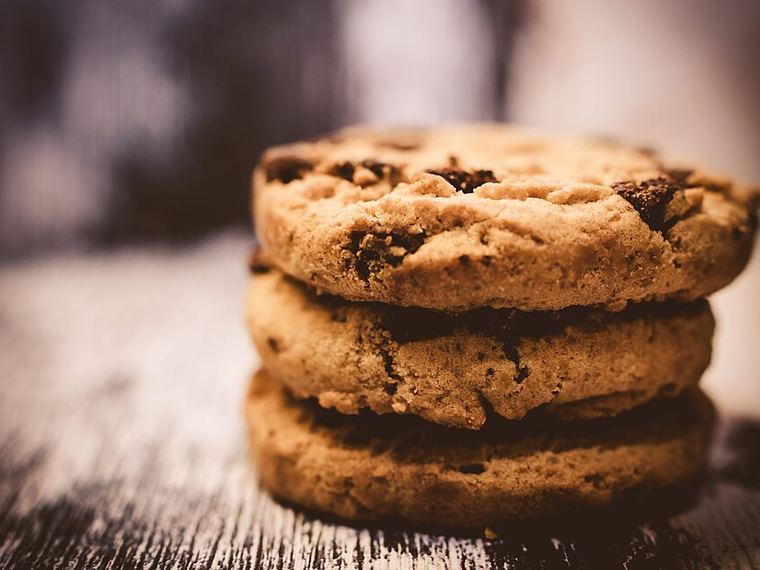
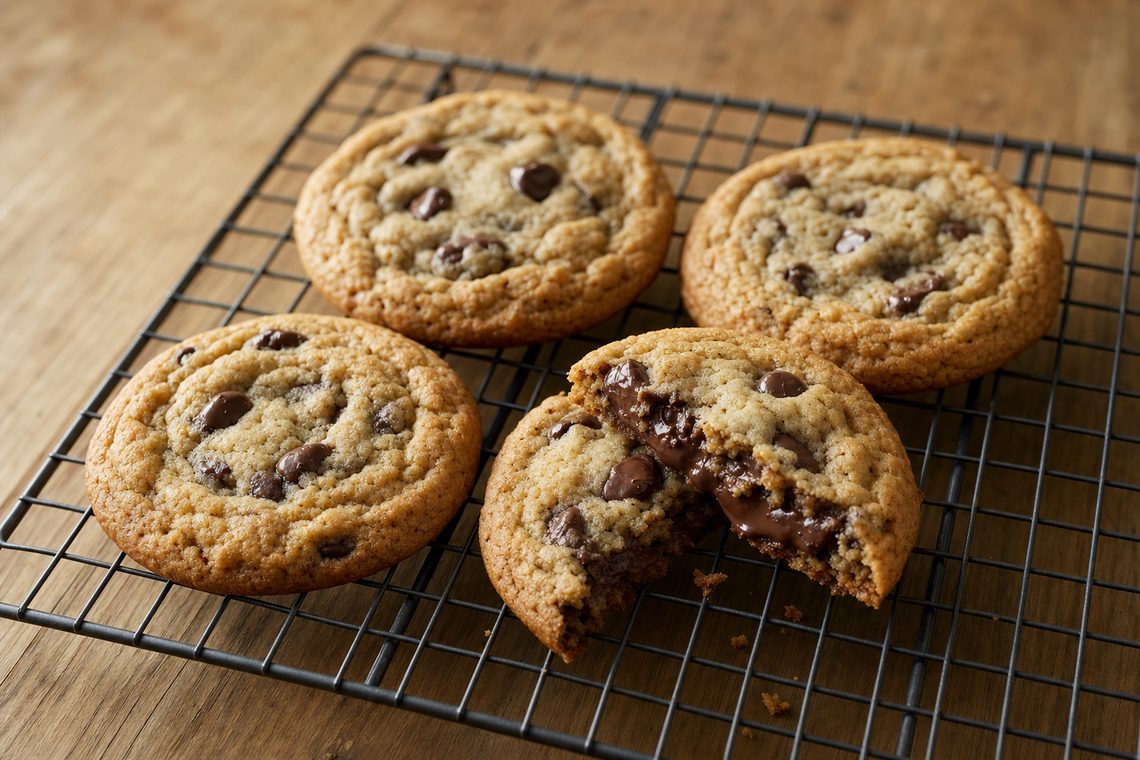
Chewy, thick-ish, chocolate-forward. The one most people mean when they say chocolate chip cookie.
from handletheheat.com 4.92 1,148 cooks rated it
15 minHands on
12 hrWaiting
26Makes
$0.30Each
BeginnerLevel
Ingredients
- 3 cups (380 grams) all-purpose flour**380 g
- 1 teaspoon baking soda5 g
- 1 teaspoon fine sea salt6 g
- 2 sticks (227 grams) unsalted butter, (at cool room temperature (67°F))227 g
- 1/2 cup (100 grams) granulated sugar100 g
- 1 1/4 cups (247 grams) lightly packed light brown sugar247 g
- 2 teaspoons vanilla9 g
- 2 large eggs, (at room temperature)100 g
- 2 cups (340 grams) semisweet chocolate chips340 g
Method
- Preheat oven to 350ºF. Line baking sheets with parchment paper.
- In a medium bowl, combine the flour, baking soda, and salt.
- In the bowl of an electric mixer, beat the butter, granulated sugar, and brown sugar until creamy, about 2 minutes. Scrape down the sides and bottom of the mixing bowl. Add the vanilla and eggs and beat until combined, scraping the bowl down as needed. Gradually beat in the flour mixture. Stir in the chocolate chips.
- Divide the dough into 3-tablespoon sized balls using a large cookie scoop and drop onto prepared baking sheets.
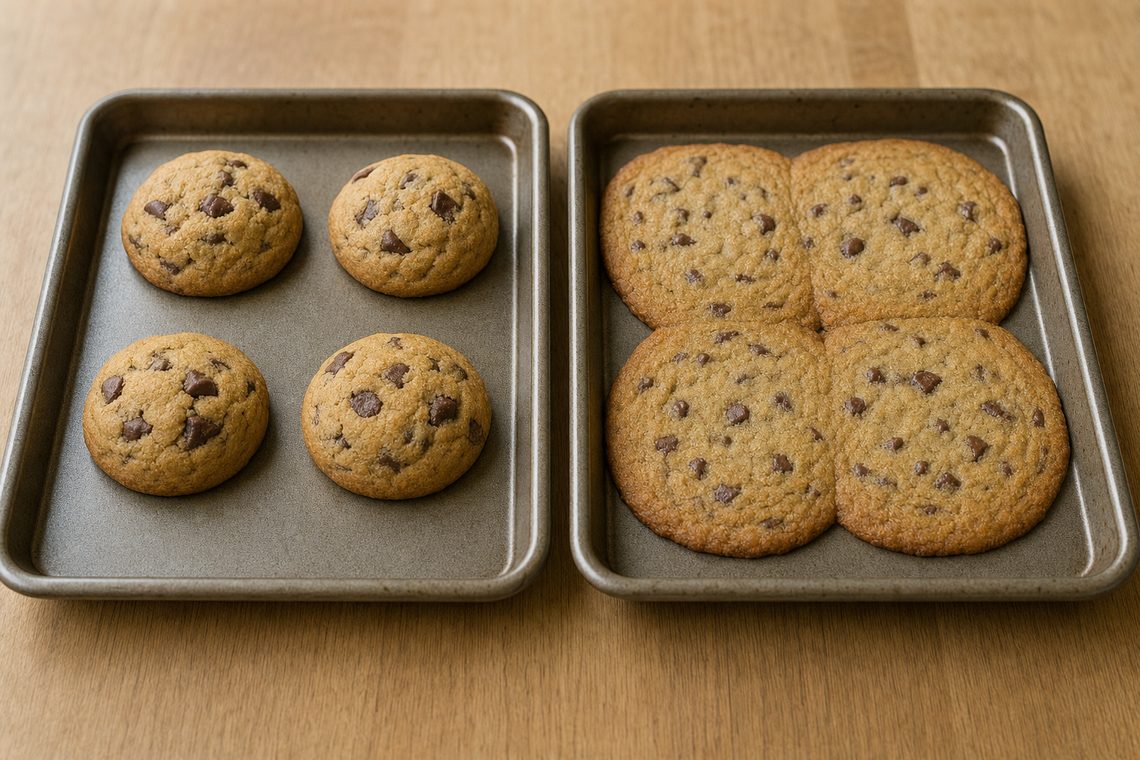
- If time permits, place the dough scoops into an airtight container and refrigerate for at least 24 hours but no more than 72 hours. This allows the dough to “marinate” and makes the cookies thicker, chewier, and more flavorful. Bake from the fridge.
- Bake for 11-13 minutes, or until golden brown. Cool for 5 minutes before removing to wire racks to cool completely.
- Although I prefer cookies fresh from the oven, these can be stored in an airtight container for up to 3 days. See post for storage tips.
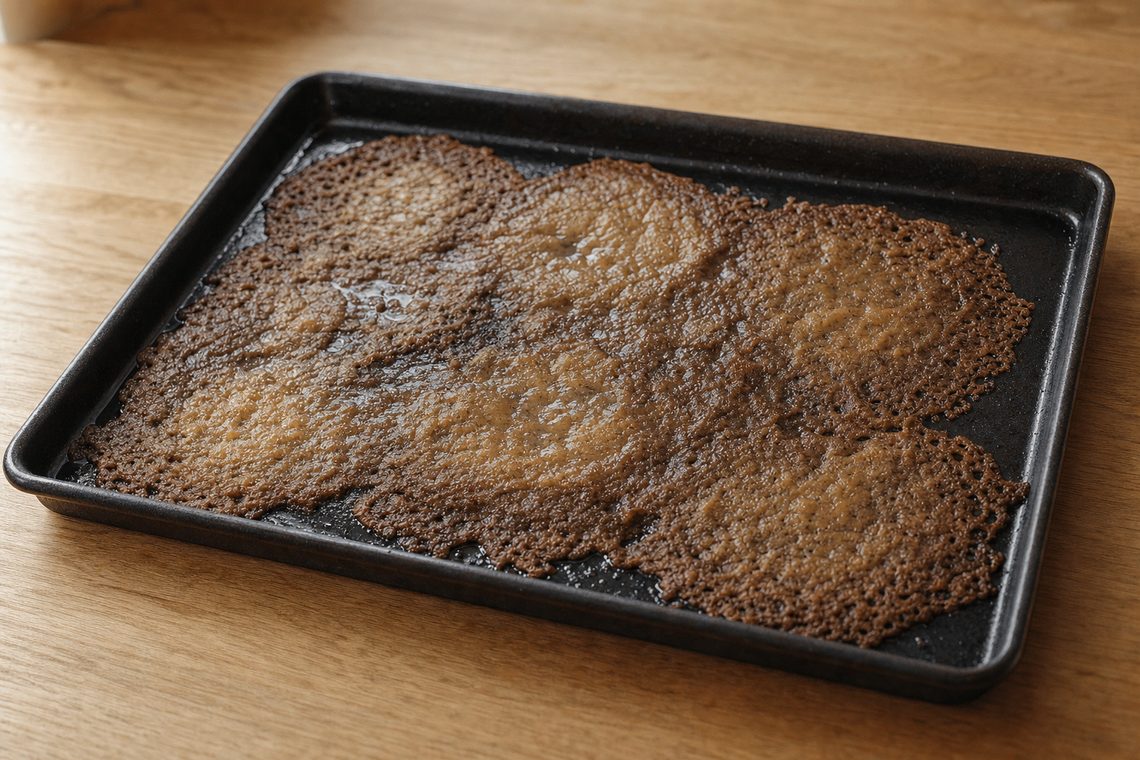
Watch out for: Skipping the chill is the most common downgrade: expect a flatter, softer-edged cookie.
Needs:Nordic Ware half sheeta cookie scoopa hand mixerparchment paperAs an Amazon Associate we earn from qualifying purchases