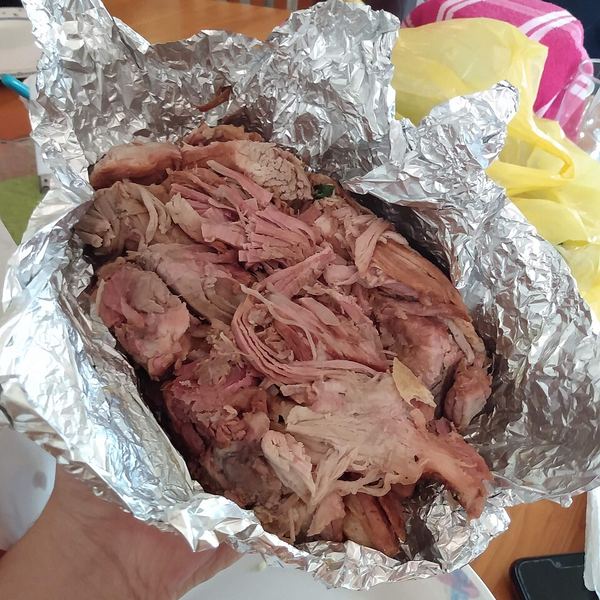
Compared by formula

Carnitas

86 recipes, read so you don't have to.

Every recipe is a different answer to the same few questions. Tell us the carnitas you are after and we will hand you the closest one anyone has published, plus what to change to suit you.

86recipes read
5recipes, not one
12problems solved
Carnitas, as published.
DaliaMonge · CC BY-SA 4.0
Start here

What kind of carnitas do you want?

Five real versions, not one "best." Pick one and the recipe's right here — a published, rated one, with weights.

Any limits tonight?
All day in the slow cooker, then five minutes under the broiler to brown it. What most people mean by carnitas.
Closest published match · of 37 slow cooker recipes

The slow cooker, finished under the broiler

All day in the slow cooker, then five minutes under the broiler to brown it. What most people mean by carnitas.

from www.tasteofhome.com 4.74 47 cooks rated it

20 minHands on
12Makes
$2.05Each
BeginnerLevel

Ingredients

  • 1 boneless pork shoulder butt roast (3 to 4 pounds)1588 g
  • 3 garlic cloves, thinly sliced9 g
  • 2 teaspoons olive oil9 g
  • 1/2 teaspoon salt3 g
  • 1/2 teaspoon pepper1 g
  • 1 bunch green onions, chopped150 g
  • 1-1/2 cups minced fresh cilantro150 g
  • 1 cup salsa
  • 1/2 cup chicken broth120 g
  • 1/2 cup tequila or additional chicken broth111 g
  • 2 cans (4 ounces each) chopped green chiles227 g
  • 12 flour tortillas (8 inches) or corn tortillas (6 inches), warmed
  • Optional: Fresh cilantro leaves, sliced red onion and chopped tomatoes

Method

  1. Cut roast in half; place in a 5-qt. slow cooker. Sprinkle with the garlic, oil, salt and pepper. Add onions, cilantro, salsa, broth, tequila and chiles. Cover; cook on low until meat is tender, 6-8 hours.
  2. Remove meat; cool slightly. Shred with 2 forks and return to the slow cooker; heat through. Spoon about 2/3 cup meat mixture onto each tortilla; serve with toppings of your choice.

Watch out for: Leaving it on 'keep warm'. Nearly two hours on that setting before opening the pot dropped moistness — the braise is finished, and holding it only costs you.
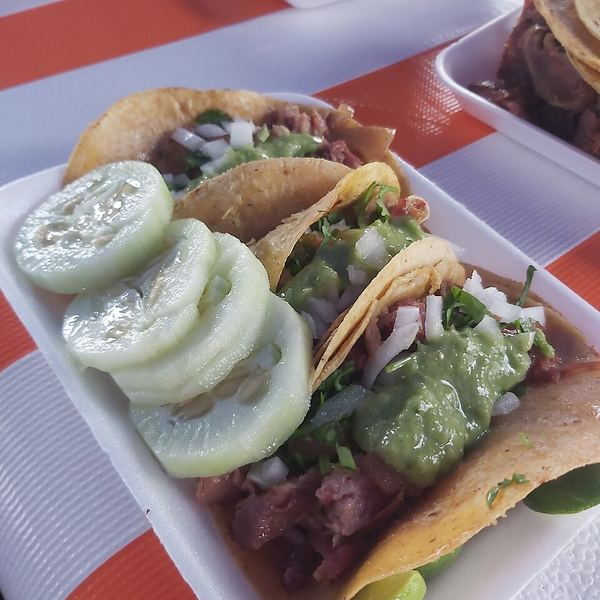
Tender in about half an hour under pressure, then the same crisping step as everything else.
Closest published match · of 18 pressure cooker recipes

The pressure-cooker weeknight version

Tender in about half an hour under pressure, then the same crisping step as everything else.

from www.gimmesomeoven.com 4.88 325 cooks rated it

5 minHands on
6Makes
$3.48Each
BeginnerLevel

Ingredients

  • 1 (4-5 pound) lean boneless pork roast (cut into 2-inch chunks (with excess fat trimmed off))2041 g
  • fine sea salt and freshly-cracked black pepper
  • 1 tablespoon avocado oil or olive oil14 g
  • 1 batch mojo sauce (see below)
  • for serving: chopped fresh cilantro (diced white or red onion, and/or fresh salsa (I used the pineapple salsa recipe included below))
  • 1 cup beer (or chicken stock)240 g
  • 6 cloves garlic (minced)18 g
  • 1/2 cup fresh orange juice123 g
  • 1/4 cup fresh lime juice61 g
  • 1 tablespoon ground cumin7 g
  • 1 teaspoon dried oregano1 g
  • 1 teaspoon fine sea salt6 g
  • 1/2 teaspoon freshly-cracked black pepper1 g

Method

  1. In a medium mixing bowl, whisk together the mojo sauce ingredients until combined. Set aside until ready to use.
  2. Season pork chunks on all sides with salt and pepper.
  3. Click the “Sauté” setting on the Instant Pot. Add the oil, followed by half of the pork, and sear — turning every 45-60 seconds or so — until the pork is browned on all sides. Transfer pork to a separate clean plate, and repeat with the remaining pork, searing until it has browned on all sides. Press “Cancel” to turn off the heat.
  4. Pour in the mojo sauce, and toss briefly to combine with the pork. Close lid securely and set vent to “Sealing”.
  5. Cook on high pressure for 30 minutes, followed by a natural release (about 15 minutes).
  6. Set the oven broiler to high heat.
  7. Remove the lid of the Instant Pot. Shred the pork with two forks. Then transfer it with a slotted spoon to a large baking sheet. Spoon about a third of the leftover juices evenly on top of the pork and toss to combine. Broil for 4-5 minutes, or until the edges of the pork begin browning and crisping up. Remove the baking sheet from the oven, then half of the remaining juices from the Instant Pot evenly over the pork and toss to combine. Broil for an additional 5 minutes to get the meat even more crispy. Remove baking sheet from the oven, then ladle the remaining juices over the pork, and toss to combine.
  8. Sprinkle with chopped fresh cilantro, then serve warm in tacos, burritos, salads, or whatever sounds good to you! Or, refrigerate pork in a sealed container for up to 3 days, or freeze for up to 3 months.

Watch out for: Going straight from release to the plate. Under pressure nothing reduced, so the meat is wetter than a slow-cooked batch at the same point and will steam rather than brown.

Foil on for three hours, foil off for the last stretch. Both jobs in one dish, with one thing to remember.
Closest published match · of 25 oven, covered recipes

The oven, covered then uncovered

Foil on for three hours, foil off for the last stretch. Both jobs in one dish, with one thing to remember.

from www.allrecipes.com 4.7 197 cooks rated it

15 minHands on
6Makes
$2.30Each
BeginnerLevel

Ingredients

  • 3 pounds boneless pork butt (shoulder)1361 g
  • 8 cloves garlic, peeled24 g
  • 0.25 cup olive oil54 g
  • 1 orange, juiced, orange parts of peel removed and sliced into thin strips
  • 1 tablespoon kosher salt11 g
  • 2 bay leaves, torn in half2 g
  • 1 teaspoon ground black pepper2 g
  • 1 teaspoon ground cumin2 g
  • 0.75 teaspoon ground cinnamon2 g
  • 0.5 teaspoon Chinese 5-spice powder

Method

  1. Gather all ingredients. Preheat the oven to 275 degrees F (135 degrees C).
  2. Remove fat from pork; cut meat into 2-inch cubes and roughly chop fat.
  3. Mix together pork meat and fat with garlic, olive oil, orange peel, orange juice, salt, bay leaves, black pepper, cumin, cinnamon, and 5-spice powder in a large bowl until pork is coated completely.
  4. Transfer mixture to a 9x13-inch baking dish. Cover the dish tightly with heavy-duty aluminum foil, then place on a baking sheet.
  5. Bake in the preheated oven until pork is fork tender, about 3 1/2 hours.
  6. Set an oven rack about 6 inches from the heat source and preheat the oven's broiler. Remove garlic, orange peel, and bay leaves from the baking dish. Transfer pork to a colander set in a bowl. Pour accumulated juices from the baking dish over pork. Return pork to the baking dish and drizzle with some accumulated juices.
  7. Cook under the preheated broiler for 3 minutes. Drizzle more accumulated juices over pork and continue broiling until crispy, 3 to 5 minutes. Transfer pork to a serving plate and drizzle with remaining accumulated juices.
  8. Enjoy!

Watch out for: Only the top face browns. A roasting tin crisps what it can see, so a cook who wants crust throughout has to shred and go back under the heat; one report that left the pork in 2-inch cubes instead of shredding scored the browning 3 out of 10.

Cooked submerged in fat rather than liquid, the way it is done traditionally. Expensive and very good.
Our formula · nobody has published this one

The lard confit

Cooked submerged in fat rather than liquid, the way it is done traditionally. Expensive and very good.

No recipe in the 86 lands close enough to call it a match, so this one is ours, built on 1588 g of pork shoulder from where the published recipes agree.

Ingredients

  • Pork shoulder (3.5 lb)1588 g
  • Aromatics113 g
  • Cooking fat1588 g
  • Salt8 g

Method

  1. Confit: low and slow in the fat until fully tender, 2-3 hours
  2. Lift: out of the fat, drain, shred coarsely
  3. Crisp: back into the same fat, now very hot, or under a broiler

Watch out for: Volume of fat, and what to do with it after. This profile is the most expensive in ingredients and the least weeknight-compatible; the fat keeps and is reusable, which is the historical reason the method exists.

Cola or milk instead of some of the braising liquid — a real regional tradition, and it browns faster.
Closest published match · of 25 oven, covered recipes

The sweet braise — cola, milk, or condensed milk

Cola or milk instead of some of the braising liquid — a real regional tradition, and it browns faster.

from www.allrecipes.com 4.8 103 cooks rated it

10 minHands on
8Makes
$2.01Each
BeginnerLevel

Ingredients

  • 3.5 pounds boneless pork shoulder, cut into large pieces1588 g
  • 1 tablespoon freshly ground black pepper7 g
  • 1 tablespoon kosher salt, or more to taste11 g
  • 2 tablespoons vegetable oil27 g
  • 2 bay leaves2 g
  • 2 teaspoons ground cumin4 g
  • 1 teaspoon dried oregano1 g
  • 0.25 teaspoon cayenne pepper1 g
  • 1 orange, juiced and zested
  • 2 cups whole milk488 g

Method

  1. Season pork with pepper and salt.
  2. Heat oil in large pot over high heat. Working in batches, cook pork in the hot oil until browned on all sides, about 5 minutes. Return all cooked pork and accumulated juice to pot.
  3. Season pork with bay leaves, cumin, dried oregano, and cayenne pepper. Stir in fresh orange juice, orange zest, and milk. Bring mixture to a boil over high heat; reduce heat to low. Cover and simmer, stirring occasionally, until meat is fork tender but not falling apart, about 2 hours.
  4. Preheat oven to 450 degrees F (230 degrees C).
  5. Remove pork from liquid. Skim some fat from the pot to grease a baking dish. Transfer the pieces of pork to the baking dish. Drizzle about 2 more tablespoons of the floating fat over the meat. Season with more salt, if needed.
  6. Bake in preheated oven until pork is browned, about 15 minutes. Stir pork.
  7. Turn on oven's broiler. Cook pork under broiler until crisp, 2 to 3 minutes.

Watch out for: Burning at the crisp. The sugar that helps you brown faster is the same sugar that takes you past brown while you are looking away.

Need it to fit something tonight — no wine or beer, no dairy, under 20 min hands-on? Those re-pick the recipe once JavaScript is on. With it off, you still get all 5 recipes above in full.

How to get carnitas crisp without drying them out

Every other braise ends wet. Carnitas has to end dry and brown, so it is really two cooks in a row: a long gentle one that makes the pork tender, and a short fierce one that makes it brown. They do not help each other. Time will never brown it, and heat will never tenderise it.

What connects them is water. While there is any liquid left in the pan, the pan cannot get hotter than boiling, and nothing browns at boiling. So the liquid has to go before the colour can come. That is also the good news: the braise never needed much liquid in the first place — cooks who kept it at or below half the height of the meat still got it perfectly tender.

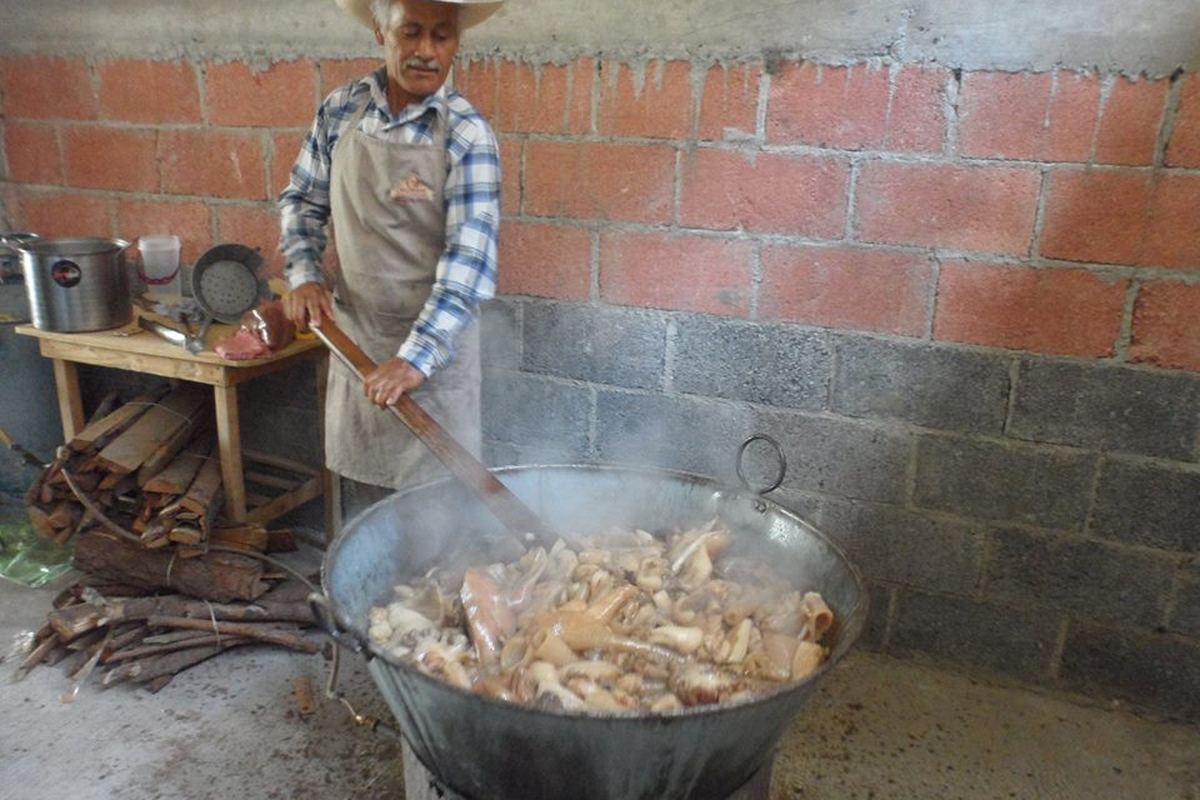
A cook in an apron and straw hat working a very large shallow metal cazo of pork over a wood fire outdoors, stirring with a long wooden paddle.
One vessel, two jobs. The pork braises in its own fat until the water has gone, and then the same pot fries it.

Time

The first cook. It buys tenderness and it cannot buy colour. If your pork will not shred, this is the one you cut short, and more time is the only fix.

Heat

The second cook. It buys colour and it cannot buy tenderness. Twenty-five cooks say some kind of crisping step at the end makes it browner, and not one disagrees.

Water

The gate between them. A wet pan cannot get hot enough to brown, so however much liquid is left is how long you wait for colour. Pour most of it off before you turn the heat up.

Three things decide it. Every change on this page works by moving one of them.

What it costs

Carnitas: what each choice costs you

You cannot have all of it at once. These are the five real trades. Knowing which one you are making is most of the skill.

Tender enough to shred, or brown enough to be carnitas

These do not compete for anything except your attention. Cooks who skipped the browning step entirely still had tender pork at 7 or 8 out of 10 — it just was not carnitas. So when it disappoints, the complaint tells you which half you cut short, and the two fixes have nothing to do with each other.

Enough liquid to braise, or dry enough to brown

This is the one number worth remembering, and it turns out not to cost you anything. Cooks agree from three directions that pouring the pan down to half the meat's height or less is what lets it brown — and separately, that the braise was perfectly happy at that level all along. You are not trading tenderness for colour. You are pouring off liquid you never needed.

Traditional lard, or whatever fat is in the house

Carnitas has more romance about its cooking fat than the evidence supports. Cooks who used bacon fat or plain oil instead of lard reported browning at 7 to 8 out of 10, and bacon fat gave one of them 8 out of 10 on tenderness too. Use lard if you have it. Do not order it specially.

Big chunks, or shredded

Crust only happens on surfaces, so shredding before you crisp gives you more of it and keeps less moisture inside. The catch is about timing rather than size: cutting the pork smaller helped, but cubing it and searing every side BEFORE the slow cooker made it worse. Break it up late, not early.

Seasoned like a taqueria, or seasoned like a roast

The salt window here is much wider than recipes suggest. Cooks who used the full three tablespoons and cooks who used a third of that both ended up somewhere they liked. This is the one thing on this page our measurements confirm outright, and what they confirm is that you have room.

Change your carnitas recipe

Each one is measured across all 86 recipes and then converted into this recipe's own amounts. Every edit costs something. The cost is on the card.

Make it thicker

More vegetables went with recipes that came out thicker, across 615 versions.

Costs you: Nothing else moved that we can measure. We only detect 7 of the 60 changes cooks describe, so read that as unmeasured rather than free.

measured across many versions · 615 versions

Make it saltier

More salt went with recipes that came out saltier, across 42 versions.

Costs you: Nothing else moved that we can measure. We only detect 7 of the 60 changes cooks describe, so read that as unmeasured rather than free.

measured, on a smaller set · 42 versions

Common carnitas problems, and how to fix them

The 12 problems cooks actually report, and what to do about each one. Open the one that sounds like yours.

It is not brown enough

It tastes fine but it is pale, and nobody would call it carnitas

You short-changed the browning, not the braise, and the fix is five minutes. Pour the pan down to half the meat's height or less, spread the shredded pork out thin, and put it under a broiler or in a 400-450°F oven. Twenty-five cooks report this working and none report it failing.

It steams under the broiler instead of browning

There is still water in the pan. Nothing browns until the liquid is gone, so pour off more, spread the meat thinner, and give it room. A crowded pan is the same problem in a different shape — the pork at the edges browns and the pork in the middle sits in steam.

I am reheating leftovers

Re-crisp them in a dry hot skillet rather than warming them through. Several of the browning reports we read are literally people describing pan-frying yesterday's carnitas, and it is the one reheat that improves a dish rather than costing it something.

It is not tender enough

It will not shred

That is the braise, and more browning will make it worse rather than better. Put it back and give it more time. The two problems are completely separate — cooks who skipped the crisping step entirely still had pork at 7 or 8 out of 10 for tenderness.

It came out dry

Check how long it sat before you served it. Nearly two hours on a slow cooker's keep-warm setting dropped the moisture badly in two reports. And if you used a lean cut, add fat at the finish — a lean cut will not supply its own.

I was taught to sear meat before braising it

Sear it in whole pieces, not cubes. Cubing the pork and searing every side before slow cooking dropped the tenderness badly in both reports that tried it. In this dish the browning belongs after the braise, not before it.

Seasoning and richness

It tastes flat even after a long cook

Check the salt before you add more spice. The range that works here is unusually wide — from a third of what the recipe says up to a full three tablespoons — so being well under is easy and easy to fix.

It is so rich it is heavy

That is what the citrus is for, and most people add it too early. Keep a fresh squeeze back for the plate. Lime, orange or tangerine — the cooks who swapped between them could not tell you it mattered.

Fat, vessels and bigger batches

I am using a slow cooker or a pressure cooker

Then plan the draining as a step rather than an afterthought. Sealed pots evaporate nothing, so you will reach tender with all the liquid still there and none of the browning done. Tip it into a colander, keep the liquid, and crisp the pork separately.

I do not have any lard

Use bacon fat or plain oil. Both raised the browning to 7 or 8 out of 10 in the reports we read, and bacon fat gave one cook 8 out of 10 on tenderness as well. The fat you use matters much less than how much liquid is in the pan when you turn the heat up.

I am doubling the batch

Scale the pans, not the minutes. A 7.6 lb shoulder worked when it was split across two pans; the browning step is the one that punishes crowding, and twice the pork in one tray is exactly that.

I poured off a lot of liquid and it felt wasteful

Skim the fat off the top and boil the rest down hard into something to pour over. Four cooks report doing exactly this — and the fat you skimmed is the frying medium the crisping step wanted anyway.

The complete design space

Every carnitas recipe we measured

The five above are the ones we would point you to. This is every recipe we measured, if you would rather look yourself.

What we do not know about carnitas

Where our evidence is thin, so you know which parts of this page to lean on and which to treat as a starting point.

Our statistics found one thing, and it was the thing they had to find

Salt predicts saltiness. That is a control rather than a discovery — it tells us the instrument works on this dish, which is more than we can say for some of its siblings — and the two other things we measured found nothing at all. No advice on this page rests on a single statistical result.

We could not confirm that a fattier cut is more forgiving

Our chemistry write-up predicted that a well-marbled, fat-capped shoulder would draw fewer complaints about dryness than a trimmed lean one. The cooks do not show that either way — they report that lean cuts crisp perfectly well. We have written the advice to the weaker conclusion rather than to the prediction.

Nobody has tested whether shredding before crisping is better

It should be — crust only forms on surfaces, and shredding makes more of them. Not one cook reports the comparison, so that is reasoning rather than evidence and we say so where we say it.