A clean negative

Does the beer in chili actually matter?

Ten cooks swapped it for a different beer, for red wine, or for plain beef broth. All ten still recommended the result. Not one reported it going wrong.

We compared 171 published chili recipes and read 2,859 reviews, and scored richness 63 times. What emerges is not that liquid is unimportant — it is that WHICH liquid is nearly free, while HOW MUCH of it, and how much meat is in the pot, move the result every time.

10Cooks swapped the liquid
0Reported a problem
63Richness ratings
7.0/10Median richness

Read against 171 published chili recipes and 2,859 reports from cooks who changed one thing.

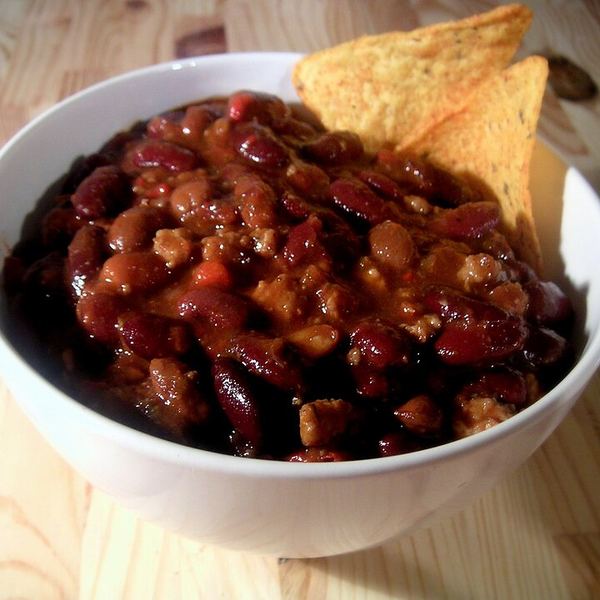
A bowl of beef chili, the version most people picture.
The everyday bowl these recipes are aiming at. Carstor · CC BY-SA 2.5
The answer, first

Buy the cheap bottle. Spend the attention on the amount.

Corpus consensus 10 cooks, no dissent

The identity of the liquid is close to free

Substituting a different beer style (IPA, stout, dark lager), red wine, or beef broth for the called-for beer all still deliver good richness.

This is a rare thing to be able to say with confidence. A single cook reporting "I used broth instead of beer and it was fine" is an anecdote and nobody writes an article about it. Ten of them saying it in passing, across different recipes, with nobody reporting the opposite, is a finding. Whatever the beer is contributing, it is not something these cooks could detect the absence of.

What to do: use what you have. If a recipe calls for a specific beer you do not own, broth is a documented substitute and not a compromise you need to apologise for.

What does move it 4 cooks across two claims

Quantity is not free at all

Using noticeably more beer than called for (1.5 to 2 full bottles instead of about a cup) raised richness to 7-8/10.

Substituting a different beer style (IPA, stout, dark lager), red wine, or beef broth for the called-for beer all still deliver good richness. Read those two together with the swap finding and the shape is clear: pouring in more of a concentrated, slightly sweet liquid raises richness, and it barely matters which one it is. That is consistent with concentration and residual sugar doing the work rather than any particular beverage's character.

What to do: if you want a richer pot, use more liquid of the kind you already chose — then reduce it back down. The gain is in what you concentrate, not what you opened.
The lever that works

More meat, and a second kind of meat

The best-supported route to a richer chili, and it is not subtle.

  • Adding extra ground beef, a chopped hot sausage, or leftover steak beyond the recipe's amount deepens richness.

    6 cooks
  • Adding hot sausage alongside the ground beef raised richness to 9/10.

    2 cooks
  • Swapping ground turkey or ground pork for beef still delivers a well-liked chili.

    2 cooks
  • Swapping in hot chili beans for plain kidney beans, or adding roasted tomatoes and sweet peppers alongside the beans, deepens richness.

    3 cooks

Six cooks report that simply adding more meat than the recipe calls for — an extra half pound to a pound of ground beef, a chopped hot sausage, leftover steak stirred through — deepens the result. Hot sausage alongside the beef is the single highest-scoring move in this cluster at 9 out of 10.

And the same pattern as the liquid holds for the meat itself: swapping ground turkey or ground pork for beef still produces a chili people like. The species is negotiable. The amount is what shows up in the bowl.

Genuinely contested

The pinch of sugar, or cocoa, or honey

Four cooks for it, two against. We are not going to settle that by counting.

A modest, deliberate touch of sugar, honey, or cocoa powder (or adjusting sweetness to taste) rounds out richness; including the recipe's full written brown sugar amount as-is, or piling on many additions at once (sugar plus extra cumin, cayenne, and spices together), reads as unbalanced and less liked despite a similar measured richness value.

4 for, 2 against

This is the one richness lever in the dish where the corpus argues with itself, and the split is small enough that calling it either way would be dishonest. A modest touch of sugar, honey or cocoa rounds the result for most of the cooks who tried it; a minority found it did not belong.

Our reading is that this is a preference rather than a technique, and it is worth treating as one. If you try it, add a very small amount at the end where you can taste the effect, rather than at the start where it disappears into the pot and you can only wonder.

Where we would be guessing

What this page cannot tell you

  • "Nobody noticed" is not "no difference". Ten cooks swapping the liquid and still recommending the recipe tells you the swap does not ruin a chili. It does not tell you a side-by-side taster would find them identical. Nobody in this corpus cooked the same chili twice.
  • Richness is the vaguest thing we score. 63 reviewers said something we could read as richness, but where heat has an obvious referent, "rich" absorbs fat, salt, meatiness and depth of browning all at once. Treat these directions as robust and the scale as soft.
  • The meat findings are confounded with quantity. A cook who adds a hot sausage has added meat, fat, salt and chile at the same time. We can say the pot got richer; we cannot say which of the four did it.
  • We have no controlled comparison of alcohol at all. Whether cooking off the alcohol changes anything, and whether wine's acidity does work beyond its sugar, are both unanswered here.